
Uro Surgery
Uro Surgery
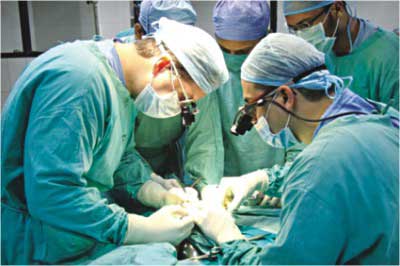
Urologic surgery focuses on the urinary tracts of males and females. Urologic surgery is the integration of surgical activities for the urogenital organs-primarily for the treatment of obstructions, dysfunction, malignancies, and inflammatory diseases.
Frequently Asked Questions
Yes, many small kidney stones pass naturally with fluids and medication, while larger stones often require surgical treatment.
It provides long-term relief for many patients, though regrowth of prostate tissue can occur in some cases over time.
Most patients experience mild discomfort, which improves quickly, with normal activity often resuming within a few days.
Yes, women may also require urological surgery for conditions such as bladder disorders or structural urinary tract problems.
Yes, many kidney procedures, including stone removal and partial kidney surgery, can be performed using laparoscopic techniques.
Recovery varies, but many patients gradually return to normal activities within a few weeks under their surgeon's guidance.
Yes, especially if underlying causes like infection or blockage are not addressed, so follow-up care matters.
Not always, but blood in the urine should never be ignored and should be evaluated promptly by a urologist.
Yes, infections can sometimes contribute to stone formation, which is why treating infections promptly is important.
Yes, adequate hydration and dietary changes can significantly lower the risk of recurring kidney stones.