
Joint Replacement
Joint Replacement
- Total Knee Replacement
- Unicondylar Knee Replacement
- Total Hip Replacement
- Elbow Replacement
- Shoulder Replacement
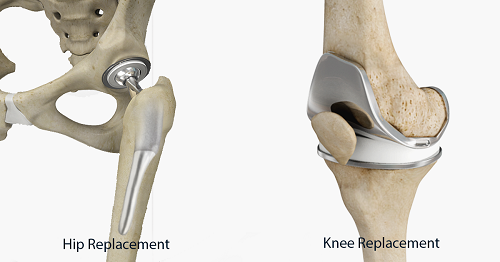
As people live longer, there will inevitably be an increased need for joint replacements Generally, a joint replacement surgery is considered when there is severe damage to the joint, bones, surrounding muscles or tissues. It is recommended only after all other treatment options have failed. Surgical intervention is often the last resort in cases where the pain becomes too much or movements are severely restricted. Joint replacement, though starting early, became available more generally with knee replacements followed by hip replacements. Ankle and shoulder replacements are now available.
Frequently Asked Questions
There is no fixed age. The decision depends more on how much your joint pain limits daily life than on age alone.
If pain stops you from sleeping well, doing daily activities, or enjoying hobbies despite medication and physiotherapy, it may be time to discuss surgery.
Some patients are advised to take antibiotics before certain dental procedures, so it is best to check with your surgeon.
Most patients need pain medication for a few weeks, gradually reducing the dose as healing progresses.
It might, so it helps to carry a card noting your joint replacement when travelling through security.
Yes, mild swelling and warmth around the joint can continue for several months as the area fully heals.
Many patients can eventually kneel, though it may feel uncomfortable at first. It gets easier with practice and does not damage the joint.
Yes, most patients are given blood thinners for a period after surgery to lower the risk of blood clots.
This depends on your wound healing, so your surgeon will confirm when it is safe.
Most patients get significant pain relief, though some mild discomfort during activity can still occur as the joint adjusts.