
Psoriasis
Psoriasis
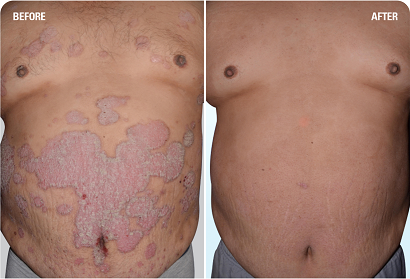
Psoriasis is a condition in which skin cells build up fast and form scales and dry, itchy plaques. Psoriasis is thought to be an immune system problem, but it has triggering factors like cold, dryness of skin, infection, stress and sometimes also heredity. Our aim of psoriasis treatment is to stop skin cells from growing fast and to remove scales. Treatment options include creams and ointments(topical therapy), light therapy(phototherapy), oral and injectable medication. There might be need to combine one or more form of therapy to treat various types of psoriasis.
Frequently Asked Questions
No, psoriasis is an autoimmune condition and cannot be spread through skin contact.
There is no permanent cure, but treatment can significantly reduce symptoms and flare-ups.
Common triggers include stress, infections, certain medications, and skin injuries.
No, psoriasis can also affect the joints in some people, a condition known as psoriatic arthritis.
Some patients notice fewer flare-ups with an anti-inflammatory diet, though results vary from person to person.
Yes, psoriasis has been linked to conditions such as heart disease and diabetes in some studies.
Moderate sun exposure can help some people, though it should be balanced carefully to avoid skin damage.
Not necessarily. Flare-ups can vary throughout a person's lifetime depending on triggers and treatment.
Yes, because stress is a known trigger, managing it can help reduce the frequency of psoriasis flare-ups.
A specialist should be consulted if symptoms worsen, spread, or do not respond to current treatment.