
Deformity Correction
Deformity Correction
- High Tibial Osteotomy
- Malunion Correction
- Nonunion Surgery
- Ilizarov surgery
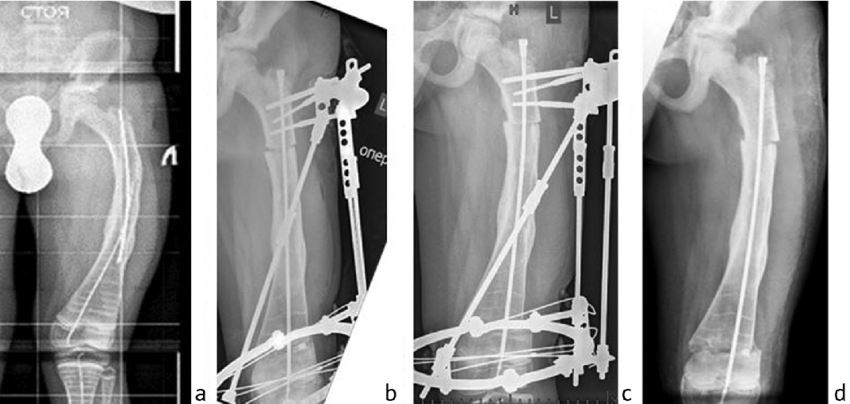
Bone breakage or fractures can mean a number of different things. It could be that your bone has had a small crack or it could also be that the bones snapped and broke into multiple pieces. When your bones break, you should make sure that you have them set correctly to avoid deformity or complications. You may not be able to move as freely as before if some of your bones are not aligned correctly. Second, bone deformity is not visually pleasing. It does not look good therefore a lot of people undergo resetting of the bones.
Frequently Asked Questions
Yes, adults can undergo deformity correction, though treatment approaches may differ from those used in children.
Some discomfort is expected during the gradual lengthening process, but it is managed carefully with medication.
This depends on the amount of correction needed, often ranging from a few months to over a year.
Correcting alignment issues generally improves walking patterns and reduces strain on nearby joints over time.
Yes, longstanding misalignment can put uneven stress on joints, increasing the risk of arthritis over time.
It is a specialised area within orthopaedics, often requiring surgeons with specific experience in gradual correction techniques.
Many mild deformities, like slight bow legs, correct naturally as a child grows, though monitoring is still important.
This depends on the extent of correction, with light activity often resuming gradually over several months.
Yes, it is sometimes combined with joint or bone procedures when multiple issues need addressing together.
Visible asymmetry, uneven walking, or pain during movement are signs that should be checked by a specialist.