
Moles
Moles
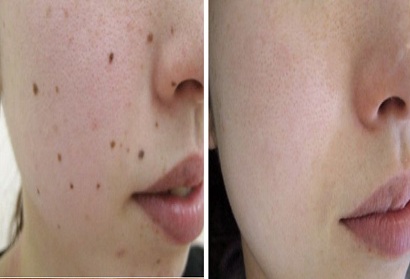
Moles are growths on the skin that are usually brown or black. When skin cells grow in a cluster instead of being spread throughout the skin, produce mole. Congenital nevi present since birth, while some type of moles develop later in life. They can be rough/smooth, flat/raised and may have hair growing out of them. We can remove mole depending on their type by electrocauterization, surgical excision as well as by LASER.
Frequently Asked Questions
No, most moles are harmless, but changes in size, shape, or colour should always be checked.
It refers to checking for Asymmetry, Border irregularity, Colour changes, Diameter, and evolving appearance as warning signs.
Yes, new moles can develop at any age, though sudden changes should be evaluated.
Yes, most mole removals are quick, minor procedures performed under local anaesthesia.
Some moles can develop into melanoma, which is why regular monitoring is important.
Minor scarring is possible, though it is usually minimal with proper technique and aftercare.
Annual skin checks are generally recommended, or more often for those with a family history of skin cancer.
Yes, excessive sun exposure can contribute to the development of new moles over time.
Non-cancerous moles do not need removal unless they cause discomfort or cosmetic concern.
A small sample of the mole is taken and examined under a microscope to check for abnormal cells.